

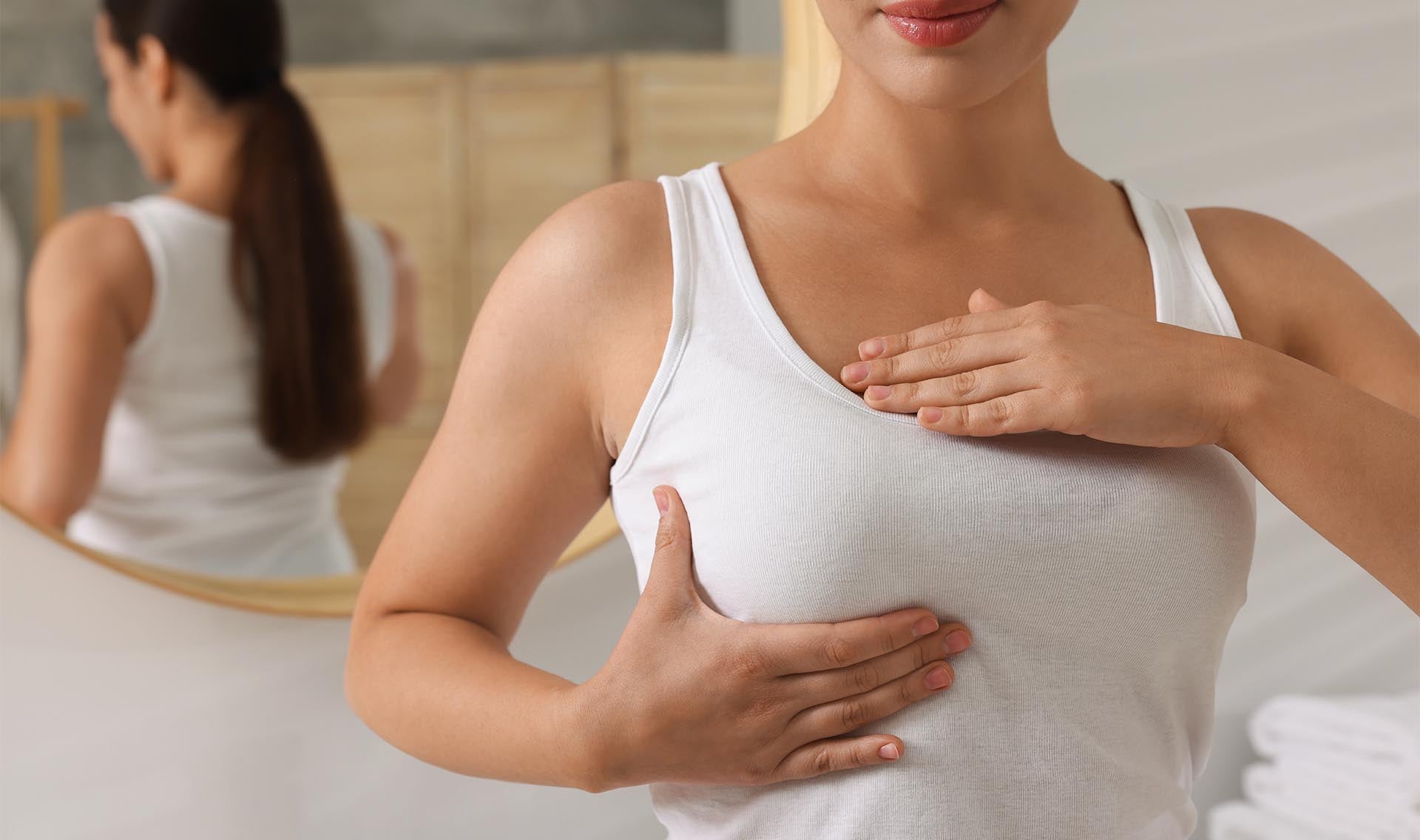
From a young age, we should learn how to properly and skillfully examine our breasts. Knowing our bodies allows us to notice the slightest changes in our bodies at an early stage. The female body is a massive construction site, and cells wear out constantly. The presence of cancer cells or tumor nodules does not necessarily indicate an active cancer process. Lumps that may appear in the breast area primarily inform women that this tissue is currently toxic, acidic, and oxygen-deprived. Free radicals, primarily oxygen radicals, play an important role in cancer development. During breast division, they switch their metabolism to anaerobic glucose utilization via the TKTL-1 gene. The end product of anaerobic fermentation is lactic acid, and it serves many functions, one of which is secondary production. Breast cancer is a chronic disease and a signal that all standards of contamination, toxicity, and dysfunction in the tissues have been exceeded. It is worth emphasizing here that testing hormones in appropriate cycles is very important, thanks to which we can check whether we are not suffering from estrogen dominance.
What signs will indicate estrogen balance?
-
You have regular periods
-
The joints are moisturized
-
You cope with difficulties
-
You sleep well and you are rested
-
Your brain definitely functions better
-
Body weight is stable
-
Libido is normal
First of all, get your hormone levels checked on days 5 and 21 of your cycle so you can compare the results and discuss this with your gynecologist. You can calculate your ratio using a special calculator that calculates estradiol to progesterone. However, it's important to remember that estrogen and progesterone should be in balance. When they're in harmony, they dance beautifully and without crashing. Estrogen stimulates the endometrium, while progesterone inhibits growth and stabilizes the situation. Estrogen stimulates breast cell growth, while progesterone prevents the growth of cysts and breast tenderness. Estrogen causes salt and water retention (hence the pre-menstrual period bloating), while progesterone acts as a diuretic.
When both of these hormones work in harmony with each other, you get:
-
strong bones
-
nice complexion
-
Your metabolism is working properly
-
your cardiovascular system is working properly
So what can happen when you have estrogen dominance?
-
you retain water
-
your breasts hurt
-
you have mood swings and anxiety
-
you feel dazed
-
you are more tearful, sleep deprived and tired
-
feeling unwell, sometimes depressed
-
problems with constipation and bloating
-
water retention
-
PMS and hot flashes
-
headaches/brain fog
-
thyroid problems
-
problems with regular menstruation
-
low libido
You can test your estradiol and progesterone levels on day 21 of your cycle and calculate your ratio. Normal ranges are between 100 and 500, ideally 300. Of course, this is a very problematic situation if you constantly experience discomfort around your period. You may have higher levels of estradiol and estrone, which often happens when you have a high intake of xenoestrogens or other synthetic estrogens. Secondly, low progesterone levels may be the cause. Women with polycystic ovary syndrome and high testosterone levels may also suffer from estrogen dominance. It's worth noting that visceral fat produces estradiol.
So what are xenoestrogens?
-
Xenoestrogens—they come from plastics we use every day, such as drinking water from plastic bottles. These substances are stored in fatty tissue for years, and as you might have guessed, the largest concentrations are in the breasts. These substances can mimic estrogen—in other words, they're synthetic chemicals that trigger estrogen-like reactions in the body. Xenoestrogens can be found in plastics, deodorants, toothpastes, cans, sunscreens, and cosmetics. Xenoestrogens are not only a problem for women, but in men, they can contribute to infertility and increase the risk of prostate cancer.
Collaboration with a gynecologist should occur twice a year, with daily breast self-examinations, ultrasounds at least once a year, and sex hormone testing. Any menstrual dysfunction, the occurrence of PMS or estrogen dominance, as well as early menstruation, should raise a woman's alertness. A family history of cancer, including breast cancer, should alert future generations to be vigilant and undergo regular screenings. A doctor may, of course, order a tumor marker, CA 15-3, or the BRCA1 and BRCA2 genes. CA 15-3 is one of the molecules secreted by breast tumor cells. Elevated levels of this marker indicate the presence of malignant breast cancer, as levels of this protein in healthy individuals very rarely exceed the acceptable range. The risk of developing the disease increases with age. Hormones change gene expression, steroids - fat-soluble ones penetrate the cell: estrogens (estrone, estradiol, estradiol) - cause breast cancer and exoestrogens - artificial fertilizers, herbicides, pesticides, plastics.
A very important aspect of testing is maintaining adequate insulin levels, which should be below 10 on a fasting day. Insulin disorders that a woman neglects for years can also predispose her to breast cancer. Another factor that can improve her health is maintaining adequate vitamin D3 levels and balancing thyroid hormones. Omega-3 and glucosamine supplementation are also worth considering.
Therefore, proper preventative care, regular breast examinations, and adopting appropriate eating habits will bring enormous health benefits. Start by trying to permanently adopt certain habits and foods that will contribute to the proper functioning of your breasts. The main goals include optimizing digestive health, supporting your liver, eliminating foods that are harmful to you, and incorporating supplements that will help you combat estrogen dominance.
To maintain estrogen balance, a woman's body must break down, process, and excrete estrogen components. With appropriate treatments, you can influence the proper functioning of sex hormones and enjoy a healthy life. Take care of your breasts every day!

Joanna Jamry Clinical dietitian and psychodietician with over 17 years of experience. She works daily in her own dietetic practice and with surgeons at a clinic in Wrocław. A former lecturer at the University of Opole, she currently runs her own dietetic practice, where she adopts a holistic approach to patients. She actively participates in social media on Facebook and Instagram, where she shares her knowledge. As a clinical dietitian, she emphasizes laboratory test results and collaborates with physicians. Her specialties include obesity, insulin resistance, type 2 diabetes, PCOS, hypertension, food allergies, hypothyroidism, hyperthyroidism, weight gain, and hormonal imbalances.
Bibliography:
1. The Hormone Solution: How to Naturally Eliminate Hormonal Imbalances and Regain Balance. Sara Gottfried
2. Reversing Cancer Processes. Andrzej Więckowski, Adam Przygoda
3. Get Your Thyroid Back: How to Regain Health and Strength with Hashimoto's and Hypothyroidism. Kamila Bogucka, Lidia Wójcik
4. Beat Autoimmune Diseases. Dr. Akil Palanisamy, MD

