

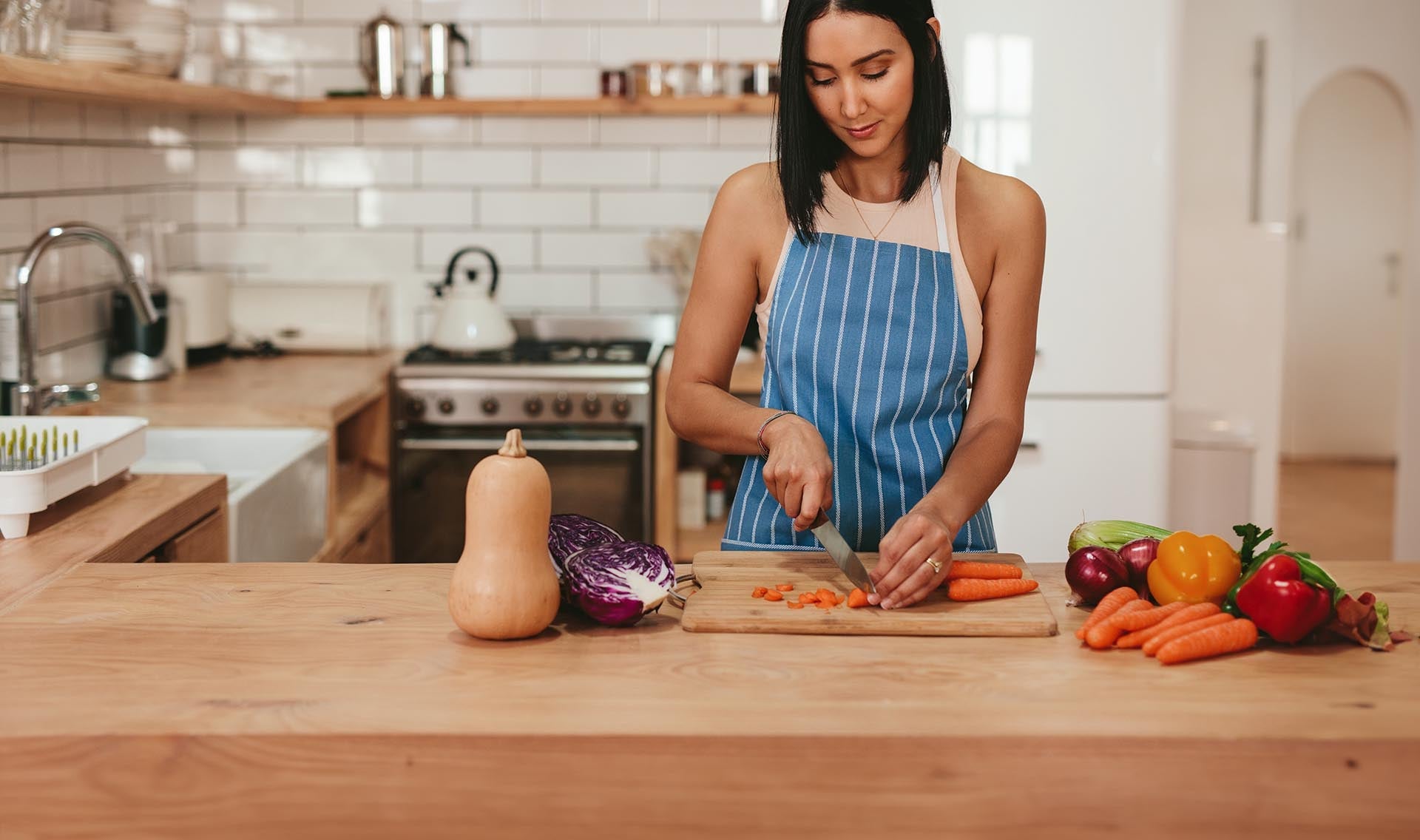
Did you know that the human body naturally produces free radicals and some antioxidants? Free radicals usually appear as a result of stress and an unhealthy diet, which disrupts the balance between free radicals and their antagonists. Fortunately, you can obtain valuable antioxidants from food. However, it's best to choose those that are easily absorbed, known as fat-soluble antioxidants. Which ones are they, and what are their benefits?
Fat-soluble antioxidants – which antioxidants are included?
Antioxidants are a broad group of compounds whose function is to combat the harmful effects of free radicals. The most powerful antioxidants found in food include vitamins A, C, and E, as well as beta-carotene. Zinc, selenium, copper, manganese, and cobalt are also important for health. Other common types of antioxidants found in plant foods include carotenoids, anthocyanins, glucosinolates, allicin, chlorophyll, curcumin, and capsaicin.
Antioxidants from food are absorbed when dissolved in water or fat. Therefore, it's important to know which antioxidants to combine with foods rich in fatty acids to accelerate their absorption. The most powerful antioxidant, vitamin C, is water-soluble, as are anthocyanins and glucosinolates. Fat-soluble antioxidants include vitamins A and E, as well as chlorophyll, capsaicin, and curcumin.
Properties of fat-soluble antioxidants
Carotenoids and flavonoids – antioxidants contained in vitamin A – influence the growth and differentiation of epithelial cells. They are essential for maintaining the proper condition of the skin and mucous membranes and for cell differentiation. Vitamin A also plays a significant role in maintaining normal vision and the functioning of the immune system.
In turn, the antioxidants contained in vitamin E not only protect cellular DNA, proteins, and lipids from oxidative stress but also contribute to the delivery of nutrients to cells. This natural antioxidant reacts with free radicals generated during metabolic processes.
Curcumin has a similar effect. It is distinguished by its ability to neutralize reactive oxygen species in cells and inhibit lipid oxidation. Capsaicin, on the other hand, delays the oxidation of LDL lipoproteins. However, it is not always easy to deliver all of these nutrients to the body. Antioxidants. Supplements Diets can help in this situation. However, remember that a varied diet is essential for maintaining good health.
How to take fat-soluble antioxidants to preserve their properties?
Look for antioxidants in food primarily in plant-based products. They are most abundant in chokeberries, blueberries, blackberries, strawberries, coffee, green tea, beets, and beans. Other sources of antioxidants include spices like turmeric and cinnamon, and herbs like oregano, parsley, basil, and rosemary. Interestingly, the antioxidant potential of herbs and spices is up to 40 times higher than that of fruits and vegetables. Therefore, it's worth incorporating them into your daily diet. However, you should know that eating them "just how" isn't enough. To extract the most antioxidants from them, it's important to prepare them properly. For example, cinnamon and turmeric should be heated for at least 20-30 seconds before drinking. Green tea should be brewed at a temperature no higher than 80°C, and berries are best eaten raw.
However, you should remember that fat-soluble antioxidants are better absorbed when you add a bit of unsaturated fatty acids to your meal. Preparing a dish with turmeric? Sauté it in a little olive oil. Eating a dessert with blueberries and strawberries? Add a teaspoon of peanut butter.
Also, know that fat-decomposing enzymes play a significant role in antioxidant absorption. Therefore, ensure proper digestion by eating a varied diet and avoiding stress.

